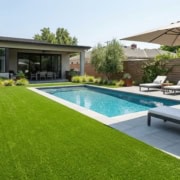
Artificial turf surrounds a modern pool area with lounge chairs and umbrella.

Does Artificial Grass Work Around Pools in Rocklin? What To Know About Splash Zones

The swimming pool is the epicenter of any Rocklin backyard. Whether you’re hosting weekend barbecues or letting kids splash around on a hot afternoon, pool decks get heavy foot traffic. However, maintaining the perimeter around an in-ground pool comes with unique challenges. Natural grass turns into a muddy mess from splash water, dies from chemical exposure, and deposits clippings directly into your pool filter. Meanwhile, plain concrete or stone decking can get scorching hot and dangerously slippery.

That leads many local homeowners to wonder if synthetic turf is a smart alternative for pool decks. Can artificial turf handle constant splash zones, chlorinated water, and intense sunshine? The simple answer is yes. When designed and installed correctly, synthetic grass creates a soft, slip-resistant, and low-maintenance pool deck that looks vibrant year-round. Here’s what you should know about putting synthetic turf in your pool splash zone.

Chlorine and Saltwater Protection

One of the biggest concerns homeowners have is whether pool water will ruin synthetic fibers. Traditional lawns struggle around pools because chlorine, pool shock, and saltwater draw moisture out of grass blades, causing brown dead spots.

High-quality synthetic turf is engineered from durable materials that are completely non-porous and chemically inert. That means chlorine, salt, and water-treatment chemicals won’t discolor or degrade the turf fibers. Even in heavy splash zones where cannonballs send gallons of water spilling over the side, your green lawn stays lush and bright. If chemical residue accumulates after weeks of intense pool activity, a quick rinse with a garden hose easily washes it clean.

Superior Drainage Means No Mud or Standing Water

Splash zones around pools see a lot of water. If you have natural soil adjacent to your pool deck, splashing quickly turns the ground into a slippery mud pit. Kids run through the mud, track dirt back into the water, and create a messy cleanup routine every single day.

A properly installed synthetic lawn solves this problem through advanced drainage backings. Beneath the synthetic turf, installers lay a compacted crushed aggregate sub-base and advanced drainage grid that allow water to pass through effortlessly. Perforated backings on artificial grass products can also drain more than 30 inches of water per hour per square yard, far exceeding even the stormiest Northern California weather or the wildest pool parties. Splash water flows directly down through the turf and into the ground without forming puddles, keeping the surrounding surface dry, stable, and completely mud-free.

A Safer, Less Slippery Surface

Wet hardscapes like stamped concrete, smooth pavers, or travertine can turn dangerously slick when wet. Bare feet and sprinting kids on wet pool decks often lead to painful slips and falls.

Synthetic grass offers a naturally textured, high-traction surface underfoot. Even when completely soaked, turf fibers provide grip that helps prevent slipping around pool edges. Additionally, the cushioned feel of the turf backing and infill offers a softer landing spot than hard stone or concrete if someone does stumble. It’s also a comfortable surface for sunbathing, lounging, or toweling off right by the water’s edge.

Cleaner Water and Less Pool Maintenance

Keeping a swimming pool clean requires constant effort, and natural lawns only make the job harder. Lawn mowers throw grass clippings into the water, while wind blows loose dirt straight into the skimmer baskets. Grass clippings decompose in the pool, throwing off chemical balances and clogging filters.

With synthetic grass around your pool, you eliminate grass clippings and loose soil entirely. Swimmers won’t track mud, sticks, or loose grass blades into the water on their feet. That means your pool stays crystal clear, your skimmers run smoothly, and you spend far less time skimming leaves or scrubbing pool walls.

Ready to Upgrade Your Pool Deck in Rocklin?

If you’re tired of fighting muddy splash zones, yellowed grass, and slippery pool decks, upgrading to synthetic grass is one of the best investments you can make for your backyard oasis. It turns your pool area into a clean, beautiful, and safe space that you can enjoy without endless weekend chores.

At Artificial Turf by Fenix, we specialize in designing and installing high-performance synthetic turf solutions tailored specifically for Rocklin yards and pool landscapes. Give us a call at 877-673-8873 or contact us online to schedule your free estimate today!
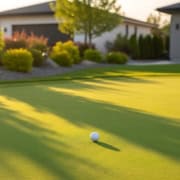
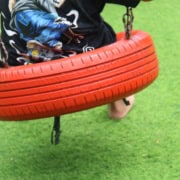
Outdoor putting green with synthetic turf and golf ball in yard.

Can You Add an Outdoor Putting Green to a Yard That Already Has Synthetic Turf?

If you already have synthetic turf in your backyard, you’re no stranger to its incredible benefits. You’re likely enjoying a lush, gorgeous lawn year-round without the endless hassle of mowing, watering, or weeding. But as your family grows and your interests change, you might be looking for new ways to elevate your outdoor space. If you’re an avid golfer wanting to practice your short game right from the comfort of home, you’re probably asking yourself, “Can I add an outdoor putting green to a yard that already has synthetic grass?”

The short answer is absolutely! You don’t have to choose between keeping your beautiful lawn and building a golfer’s paradise. Retrofitting a custom green into your existing landscape is a fantastic way to maximize your yard’s potential. Here’s everything you need to know about making this backyard upgrade a reality.

Why Add a Putting Green to Your Current Lawn?

Blending standard landscape turf with a specialized artificial turf putting green creates a gorgeous, multi-functional outdoor area. You aren’t losing the visual appeal of a full lawn; instead, you’re gaining a fun, interactive feature that adds instant entertainment value to your home.

By adding a dedicated golf area, you don’t have to sacrifice the rest of your yard’s functionality. You can easily keep your existing pet-friendly turf or playground turf exactly where it is so the kids and dogs have plenty of space to run safely. Meanwhile, a beautifully designed outdoor putting green can be tucked into an unused corner or proudly showcased right in the center of your yard.

The Retrofitting Process: How We Do It

You might be worried that adding a golf feature means tearing up your entire yard and starting from scratch. Fortunately, that isn’t the case! When you hire experts for your artificial turf installation, the process of integrating a new green is precise and minimally invasive.

Here is a quick look at how the retrofit works:

  1. Design and Cutting: First, we work closely with you to map out the perfect shape and size for your new green. Then, our installation team carefully cuts and removes that specific section of your existing synthetic grass.
  2. Base Preparation: A true-rolling green requires a firmer foundation than a standard lawn. We’ll adjust and compact the sub-base beneath the cut-out area, adding custom contours and breaks to make your short game practice as realistic as possible.
  3. Laying the Turf: Next, we securely install the high-quality putting green turf over the newly prepped base.
  4. Seamless Integration: Finally, we expertly seam the new golf turf with your existing lawn. Your standard landscape turf will act as a natural fringe around the green, creating a flawless, professional look.

Choosing the Right Surface

It’s important to understand that standard artificial grass and putting green turf aren’t the same. Your current lawn features longer blades to mimic the look and soft feel of natural grass.

A synthetic turf putting green, on the other hand, utilizes a much shorter, denser pile height. This ensures your golf ball rolls true, mimicking a professional country club course. Once the surface is down, we can customize it with high-quality cups and flags. 

Ready for a Backyard Upgrade?

Whether you’ve had your synthetic turf for months or years, it’s never too late to enhance your landscape. At Artificial Turf by Fenix, our team of artificial grass installation experts is here to help you design the ultimate backyard oasis. Don’t wait to start shaving strokes off your short game. Give us a call at 877-673-8873 or contact us online for a free estimate, and let’s bring your dream custom putting green to life!

Creating Safe Play Spaces: Why Families Install Playground Turf Under Backyard Play Sets

Setting up a brand-new swing set or play fort in the backyard is an instant ticket to hours of outdoor fun and fresh air for your kids. However, it doesn’t take long for traditional lawn surfaces underneath those play sets to turn into a high-maintenance headache. Between muddy splash zones under the slide, worn-out dirt patches below the swings, and dangerous splinters from wood chips, keeping play areas safe and clean is a constant battle.

That’s why families across Rocklin and the greater Sacramento area are choosing specialized synthetic turf to transform their play zones. Combining safety, durability, and a pristine look, high-performance playground turf systems turn play areas into a padded, mess-free haven for kids of all ages. Here’s why more and more families are making the switch.

Superior Fall Protection and Cushioning

Safety is the single most important factor when designing an outdoor play area. Falls are the leading cause of playground injuries, and hard-packed dirt, concrete pavers, or thin natural grass offer very little cushioning when a child slips off the monkey bars or jumps off a swing.

When you invest in a professional playground turf system installation, the real safety secret lies beneath the surface. Installers lay shock-absorbing padding directly underneath the synthetic grass layer. This specialized underlayment is engineered to meet stringent fall-height safety ratings, drastically reducing the risk of injury from tumbles and hard landings. Unlike wood chips or rubber shreds that constantly kick out of place and leave bare spots over hard dirt, padded synthetic grass provides consistent, full-coverage protection across every inch of the play zone.

Goodbye Mud, Dirt, and Splinters

If your play set sits on natural grass, you’ve likely experienced the dreaded slide pit, or the deep dirt hole created when dozens of little feet land in the exact same spot day after day. Add a sprinkler cycle or a winter rainstorm, and that dirt pit turns into a sticky mud bath that gets tracked straight across your clean floors.

Wood chips and gravel aren’t much better. Wood mulch breaks down, splinters, harbors spiders, and gets swallowed by curious toddlers, while gravel is harsh on bare knees and constantly gets scattered across the yard.

Installing kid-friendly turf completely eliminates these hassles:

  • Zero Mud or Puddles: Advanced drainage systems allow water to pass straight through the backing, keeping the play space dry and mud-free even after heavy downpours.
  • Clean Clothes and Feet: Kids can roll around, sit, and play without staining their clothes or filling their shoes with wood shavings.
  • No Pests or Allergic Reactions: Synthetic turf is hypoallergenic and doesn’t attract bugs or burrowing pests, creating a cleaner environment for kids with grass allergies.

Built to Handle Heavy Traffic (and Family Pets)

Backyard play sets take a beating. Dragging feet beneath swing seats, rough-and-tumble games of tag, and heavy foot traffic at the base of ladders will quickly destroy natural grass. Modern synthetic turf is manufactured with resilient, high-density fibers that spring back upright after heavy use, keeping your play space looking lush and green season after season.

Plus, most family yards are shared spaces. If your dog loves chasing the kids around the swings, pairing your play area with pet-friendly turf gives you the best of both worlds. Non-absorbent fibers handle pet waste and claws without tearing, while antimicrobial infill keeps the area smelling fresh for family playtime.

Low Maintenance so You Can Focus on Fun

Mowing around play sets, trimming around posts, and topping off loose mulch takes up precious weekend hours. With a custom synthetic grass setup, your maintenance checklist all but vanishes. You won’t have to haul heavy mowers around playground legs, apply chemical fertilizers, or worry about brown spots under shady fort roofs. A quick rinse with a garden hose or a sweep with a brush is all it takes to keep the surface fresh, beautiful, and ready for action year-round.

Build the Ultimate Backyard Play Zone

Your kids deserve a soft, safe, and clean place to play, and you deserve a low-maintenance yard you can actually enjoy. Upgrading your play set area with custom playground turf gives your family total peace of mind while keeping your backyard looking photo-ready year-round.

At Artificial Turf by Fenix, we specialize in designing custom, family-first synthetic grass spaces tailored to Northern California yards. From padded play set zones to surrounding lawns and custom putting greens, our expert installation team brings safety and quality craftsmanship to every project. Call us at 877-673-8873 or contact us online today for your free design consultation and quote.

Where To Put Your Synthetic Turf Putting Green: Sun, Shade, and Sightline Considerations for Rocklin Yards

Adding a custom outdoor putting green to your Rocklin backyard is one of the best ways to sharpen your short game and upgrade your outdoor living space. But before your turf installation crew arrives to start digging, there’s one critical decision you have to make: Where exactly should it go?

Choosing the right spot for your synthetic turf putting green isn’t as simple as finding a flat patch of yard. Plunking down a green without considering sun exposure, mature tree placement, or sightlines from your back patio can turn a dream feature into an underutilized space. Here’s what you need to keep in mind when mapping out your new golf practice setup in Rocklin.

Navigating the Rocklin Sun

Rocklin summers are gorgeous, but afternoon temperatures routinely climb past 100°F. High-quality synthetic grass is built with UV inhibitors to withstand intense sunlight without fading, but direct afternoon sun will still make the surface warm to the touch.

Positioning your artificial grass putting green in a spot that catches soft morning sun and receives partial afternoon shade, like the shadow of your home or a covered patio, keeps the surface comfortable all day for summer practice sessions.

You’ll also want to watch out for Low-E window glare. Modern, energy-efficient double-pane windows reflect solar heat at concentrated angles, acting almost like a magnifying glass. During your initial site inspection, expert installers will check your home’s window angles to ensure your new putting green turf isn’t placed directly in a thermal reflection zone.

Shade, Oak Trees, and Debris Management

Rocklin is known for its majestic oaks, mature pines, and lush landscaping. While trees provide much-needed shade, placing your putting green turf directly underneath heavy sap-producing or acorn-dropping branches creates unnecessary maintenance work.

Falling leaves, twigs, and acorns won’t ruin your synthetic turf, but they will interfere with a smooth ball roll until you sweep or leaf-blow them away. For the ideal balance, position your custom green just outside the drip line of heavy oak canopies. This lets you enjoy nearby shade without constantly clearing debris off your putting green.

Mastering Sightlines and Entertainment Flow

A custom synthetic turf putting green isn’t just a practice facility; it’s a stunning architectural feature that boosts your home’s luxury appeal. You’ll want to maximize its visual impact by considering key sightlines:

  • View from Indoors: Place your putting green where it’s visible through your kitchen window, living room sliders, or primary bedroom deck. Seeing a vibrant, emerald-green golf course every morning instantly elevates your mood.
  • Patio Alignment: Position the green close enough to your outdoor kitchen or patio seating so guests can chat with you while you putt, creating a natural flow during weekend barbecues.
  • Multi-Use Yard Layouts: If you share your yard with dogs or children, you can surround your artificial turf putting green with durable, pet-friendly turf or kid-friendly turf fringe. This keeps your putting surface pristine while giving family members a soft, clean space to play nearby.

Capitalizing on Natural Slope and Drainage

Rocklin terrain ranges from flat suburban lots to rolling foothill slopes. Rather than fighting natural elevation changes, you can use them to your advantage. A skilled artificial turf installation team can work with existing contours to design realistic undulations, subtle breaks, and elevated chipping fringe that mimic local golf courses.

Proper drainage is equally vital. Placing your green in a low-lying zone where rainwater pools after winter storms can compromise the aggregate base over time. Choosing a high-point location or installing sub-surface drainage channels ensures your custom green stays flat, smooth, and playable 365 days a year.

Ready to Build Your Rocklin Golf Oasis?

Finding the perfect spot for your backyard green takes a balance of design flair and practical site planning. At Artificial Turf by Fenix, our team brings years of local experience to every project across Rocklin and the greater Sacramento area. We’ll help you analyze your yard’s sun patterns, tree lines, and drainage to design a custom putting green that looks incredible and plays like a PGA course. If you’re ready to transform your yard, call Artificial Turf by Fenix at 877-673-8873 or contact us online today to schedule your free design consultation and estimate!

What Makes Turf Safe for Dogs? Features Rocklin Pet Owners Should Look For

If you’re a dog owner researching artificial grass, you’ve probably noticed that every product seems to be marketed as “pet-friendly.” The truth is, not all pet turf is created equal, and the difference between genuine dog-safe turf and standard landscape turf will become apparent right away once your pup starts using the yard every day. So, what actually makes synthetic grass safe for dogs? Here are the features Rocklin pet owners should look for before signing off on an installation.

1. Non-Toxic, Lead-Free Materials

Start with what the synthetic turf is made of. High-quality dog turf is manufactured with lead-free, non-toxic polyethylene fibers, so it’s safe for pets that dig, roll, chew blades, and lick their paws afterward. Reputable manufacturers publish independent safety certifications; if an installer can’t produce documentation, keep shopping.

There’s a hidden safety bonus in dog-safe turf, too. Replacing natural grass means eliminating fertilizers, herbicides, and pesticides from your yard entirely, which removes a whole category of chemicals your dog would otherwise walk through, ingest, and track into the house.

2. Fully Permeable Backing for Fast Drainage

This is the single biggest difference between pet turf and ordinary artificial grass. Standard turf drains through spaced holes punched in the backing. True pet systems use a 100% permeable backing that drains across the entire surface, at rates up to 10 times faster.

This matters because urine that can’t drain quickly sits on the lawn’s surface, and that’s where odor problems start. With a fully permeable system over a properly prepared base, liquids flush straight through, and a quick rinse keeps everything fresh, even through a hot Rocklin summer.

3. The Right Infill

Infill, the granular material brushed between the fibers, matters more for dogs than almost any other choice. Ideally, look for zeolite-based infill. This natural mineral traps and neutralizes ammonia from urine, preventing odors before they ever even reach your nose. It’s the gold standard for pet installations.

Make sure to avoid crumb rubber infill. It holds heat on summer afternoons, can sometimes contain toxic chemicals, and isn’t the right fit for surfaces where pets lounge and play.

4. Durable, Resilient Fibers

Dogs are hard on lawns, with constant running, wrestling, digging, and daily zoomies that flatten cheap turf quickly. Pet-rated synthetic grass uses higher stitch counts and resilient fiber shapes that spring back after traffic, so the racetrack along your fence stays as green as the rest of the yard. A slightly shorter pile height also makes cleanup easier and resists matting in high-traffic paths.

5. Professional Installation with Drainage in Mind

Even the best pet turf fails if not properly installed. A proper artificial turf installation for dogs includes a compacted, permeable aggregate base graded to move water through and away; secure perimeter anchoring that stands up to diggers; and seams strong enough for constant paw traffic. This is where an experienced local artificial turf installer is critical. A synthetic turf installation designed around how your dogs actually use the yard will outlast a generic install by years.

Create a Yard Your Pups Will Love

Artificial Turf by Fenix has installed pet-friendly synthetic grass for dog owners across Rocklin and the greater Sacramento area for almost a decade, and we’ll help you choose the right pet turf, infill, and layout for your pack. Give us a call at 877-673-8873 or contact us online for a free estimate. Your dogs will thank you, and so will your weekends.

How Many Holes Should Your Backyard Putting Green Have? Layout Ideas by Yard Size

One of the first questions every golfer asks when planning an outdoor putting green is: How many holes do I actually need? The answer isn’t “as many as possible.” The best backyard greens balance cup count with putt length, break variety, and the realities of your yard, so every hole earns its place. Here’s how to think about your synthetic grass putting green design, with layout ideas matched to the space you’re working with.

The Short Answer: 3 to 5 Holes for Most Backyards

For the majority of residential greens, three to five cups is the sweet spot. That’s enough variety to keep practice sessions fresh and games competitive, without crowding the surface. Cramming too many holes into a small green shortens every putt, eliminates meaningful break, and turns a practice tool into a novelty.

A better guiding principle is to prioritize the quality of the putts over the quantity of the cups. A 400-square-foot green with three well-placed holes and a 15-foot breaking putt beats a same-sized green with seven cups and nothing longer than six feet.

Small Yards (100–250 Square Feet): 2 to 3 Holes

Even a compact corner can hold a legitimate practice green. With a smaller footprint, keep it simple.

Layout idea: An L-shaped or kidney-shaped green with two cups at opposite ends and a third tucked mid-green near a subtle break. The diagonal between the far cups becomes your longest putt, so orient the shape to maximize that line.

Small greens shine for what matters most in scoring: putts inside 10 feet. Add a narrow fringe of taller synthetic grass on one side, and you have a chipping target, too.

Medium Yards (250–600 Square Feet): 3 to 4 Holes

This is the most popular size range, and it’s where a green starts feeling like a real short-game facility.

Layout idea: A freeform green with four cups: one on a small raised tier, one guarded by a gentle swale, and two on the main level at varied distances. The tier teaches uphill and downhill speed control, which is the skill that translates most directly to the course.

At this size, your synthetic turf installation team can build in 6 to 12 inches of elevation change, enough for reads that genuinely challenge you without making the green feel like a mini-golf course.

Large Yards (600–1,500+ Square Feet): 4 to 6 Holes

With this much room, you can design something that mimics the practice green at your club.

Layout idea: A sprawling green with five cups, two distinct tiers, a false front, and a dedicated chipping area 10 to 15 yards away with its own fringe cut. Now you’re practicing 30-foot lag putts, bump-and-runs, and flop shots over a bunker-style rough panel, all on the same surface.

Larger artificial turf putting green projects also open the door to fun extras like a par-2 loop for family competitions or lighting for evening putting contests.

Design Details That Matter More Than Hole Count

Whatever your size, a few decisions determine whether your green rolls true for years:

Purpose-built putting green turf: Putting green turf isn’t just landscape turf cut short. It’s a dense, specially engineered surface designed to roll at realistic speeds, typically a 10 to 12 stimp for home greens.

Professional base construction: A compacted, precisely contoured base is what creates consistent roll and clean breaks. It’s the hardest part of any artificial turf installation to get right, and the most punishing to get wrong.

Cup spacing: Keep cups at least 6 to 8 feet apart and away from the collar so every pin position offers a fair putt.

The surrounding synthetic turf: Framing your green with landscape artificial grass ties it into the rest of your yard. If dogs share the yard, a dog-safe turf zone with upgraded drainage keeps the whole space family-friendly, pets included.

Design Your Dream Green

Artificial Turf by Fenix has designed and installed backyard putting greens, lawns, and play areas throughout the greater Sacramento area for almost a decade, and we’d love to help you dial in the perfect layout for your space, too. Give us a call at 877-673-8873 or contact us online for a free estimate. Your best short game starts in your own backyard.

Artificial turf rolls stacked for installation or display.

What to Ask Before Choosing an Artificial Turf Installer in Sacramento

Choosing the right artificial grass installer matters as much as choosing the right product. The Sacramento area has no shortage of artificial turf installation companies, but the gap between the best and the rest is significant. A poorly installed lawn looks wrong from day one and gets worse over time. A well-installed one looks natural, drains properly, holds up to real use, and requires almost no attention for years. The questions you ask before signing anything are what separate a great outcome from an expensive mistake. Here’s what to ask potential turf installers before you commit.

How Long Have You Been Installing Artificial Grass in Sacramento?

Experience in the local market matters. The Sacramento region has specific soil conditions, drainage patterns, and climate considerations that affect how a turf installation should be approached. An artificial grass installer who’s been working in the area for years understands those variables in a way that a newer operation or an out-of-area company doesn’t.

Ask specifically about their time in the Sacramento market, not just how long they’ve been in business. Ask to see photos of completed local projects. Anyone worth hiring will have a portfolio they’re proud to share.

What’s Included in Your Installation Process?

The visible part of an artificial grass installation is the turf on top. However, the work that determines whether it performs well is everything underneath. Ask your installer to walk you through their process from start to finish.

A proper installation includes excavation, sub-base preparation, drainage, and careful seam placement before the turf is secured and infill is applied. If an installer skips over any of these steps or gives vague answers about what’s included, that’s worth pushing back on. These steps are where corners get cut, and it’s the part you’ll never see once the job is done.

What Products Do You Use, and Why?

Not all artificial grass products are equal, and a knowledgeable installer should be able to explain what they’re recommending and why it suits your specific application. The right synthetic turf product for a front lawn is different from the right product for a pet area, a high-traffic commercial space, or an artificial grass putting green.

Ask about pile height, face weight, blade shape, and backing type. Ask whether the products are appropriate for the sun exposure and traffic levels your space will experience. If the installer can answer these questions specifically and confidently, that’s a good sign. If the conversation stays at the level of general claims without getting into specifics, keep looking.

How Do You Handle Drainage?

Drainage is one of the most important technical elements of any artificial grass landscaping project, and it’s one of the most common areas where installations fall short. Poor drainage leads to standing water, uneven settling, and odor problems over time.

Ask how the sub-base is graded, what the drainage rate of the turf product is, and how the system handles heavy rain. For pet areas, drainage planning is especially critical. A good installer will have specific, detailed answers. A vague response is a red flag.

Do You Have References I Can Contact?

Any reputable artificial grass installer should be able to provide references from recent customers in the Sacramento area. Online reviews are useful, but a direct conversation with a past customer tells you more. Ask references about how the installation process went, whether the finished product matched expectations, and how the landscaping has held up over time. If an installer hesitates to provide references, that tells you something important.

What Do Your Warranties Cover?

Understand exactly what’s covered before you sign. Product warranties and labor warranties are separate, and you want both. Ask how long each warranty runs, what’s excluded, and what the process looks like if something needs to be addressed after installation. A company that stands behind its work will answer these questions clearly and without hesitation.

Get It Right the First Time

At Artificial Turf by Fenix, we’ve been installing artificial grass lawns, pet areas, putting greens, and commercial turf throughout Rocklin and the Greater Sacramento area for over 15 years. We’re happy to answer every question on this list and any others you bring to the conversation. Call us at 877-673-8873 or contact us online to schedule your free estimate today.

Artificial turf putting green in a backyard with trees and a fence.

Everything You Need to Know About Installing Artificial Grass Putting Greens

Artificial grass putting greens have become one of the most requested backyard upgrades in the country. They deliver real practice value, they look exceptional, and they hold up to daily use in a way that natural grass alternatives never can. However, the quality of the finished product depends almost entirely on the decisions made before a single blade of turf goes into the ground. This guide covers everything you need to know about artificial grass putting green installation, from how putting green turf works to what separates a great installation from one you’ll be frustrated with in two years.

How Artificial Grass Putting Greens Actually Work

A putting green isn’t just a patch of short grass. It’s an engineered surface designed to produce consistent, predictable ball roll across the entire playing area. The synthetic turf itself is only one part of what makes that possible.

The complete system includes the sub-base, the drainage layer, the turf product, and the infill. Each of those elements contributes to how the green performs. Get any one of them wrong, and the surface won’t play the way you expect, regardless of how good the artificial grass product is.

Artificial grass putting greens use much tighter, denser fibers than standard artificial grass landscaping. The pile height is typically between a quarter and three-eighths of an inch, which is dramatically shorter than landscape turf and closer to what you’d find on a maintained course green. That density and height are what allow a golf ball to roll true rather than bouncing or deflecting unpredictably.

Choosing the Right Turf Product

Not all artificial turf products are suitable for putting greens, and using the wrong one is a mistake that’s expensive to fix after the fact.

Putting green turf is engineered to a specific performance specification. The key characteristics to evaluate are pile height, fiber density, face weight, and surface pace, or stimp speed, which refers to how fast the green plays. A higher-pace green rewards precise putting and challenges experienced players. A lower-pace green is more forgiving and better suited to casual use or beginners.

The backing system matters, too. A firm, stable backing allows the green to be shaped and contoured without the surface shifting over time. Greens that develop movement or bubbling after installation are almost always the result of a backing system that wasn’t suited to the application.

When you’re talking to an artificial grass installer about product options, ask specifically about face weight and pace rating. Those two numbers tell you more about how the green will perform than any marketing language will.

Designing the Layout Before Installation Begins

Layout decisions made after installation starts are expensive. The time to think through your design is before anything hits the ground.

Size and Square Footage

Backyard putting greens range from compact 200-square-foot practice surfaces to multi-thousand-square-foot custom courses. The right size depends on your available space, your budget, and how seriously you plan to use the green. A smaller green with thoughtful contouring will deliver more practice value than a large flat surface, so don’t assume bigger is always better.

Hole Count and Placement

Most residential greens work best with two to four holes. Placement should create putts of varying length and from different angles, so you’re not practicing the same stroke over and over. The routing should also make sense as a sequence, since a green that feels like a real course is one you’ll use more often.

Contours and Elevation

Subtle breaks, slopes, and elevation changes are what separate an interesting green from a boring one. They’re also what make practice genuinely useful, since reading breaks is one of the most valuable skills to develop. The contouring happens at the sub-base level, so it needs to be planned before installation begins. Changes after the fact require significant rework.

Fringe and Surrounds

Most installations benefit from a fringe area around the perimeter of the putting surface. Fringe turf uses a slightly longer pile than the green itself and creates a realistic transition between the tight putting surface and the surrounding yard. It also gives you a place to practice chip shots onto the green, which expands the practice value of the space significantly.

The Installation Process, Step by Step

Understanding what a proper installation involves helps you evaluate whether the turf installation you’re being quoted covers everything it should.

Site Preparation
The existing surface needs to be excavated to the appropriate depth to accommodate the base layers. Any existing grass, roots, and debris are removed. This step also establishes the drainage grade for the project.

Sub-Base Preparation

A compacted aggregate base is added and graded to ensure proper drainage and even terrain. This is one of the most critical steps in the entire process. A poorly graded sub-base creates drainage problems and surface inconsistencies that no amount of high-quality synthetic turf can compensate for.

Shaping and Contouring

The contours of the green are shaped at the sub-base level using additional material to create the slopes and breaks called for in the design. This step requires skill and experience. Contours that look right before turf goes down don’t always translate correctly to ball roll after installation, and experienced artificial grass installers know how to account for that.

Turf Installation

The turf is rolled out, cut to the design shape, and secured along the perimeter and at any seams. Seam placement is planned carefully to keep seams out of high-traffic putting zones. The synthetic turf is also stretched during installation to eliminate any surface tension that could cause wrinkling or movement over time.

Infill Application

Infill is brushed into the turf to support the fibers, add weight to the surface, and fine-tune how the green plays. Sand-based infills are most common for putting greens, and the depth and distribution of infill directly affect surface pace. This step is more precise than it sounds, and getting it right is part of what distinguishes quality artificial turf installation companies from those working to a lower standard.

Cup Installation

Golf cups are set into the turf at the planned hole locations and secured at the appropriate depth. The surround at each cup is finished carefully so the transition between the cup edge and the turf surface is clean and consistent.

Getting Started With Your Installation

The best artificial grass putting green for your backyard is the one that’s designed around how you’ll actually use it, installed by people who know the specific demands of putting green applications, and built with a product suited to your performance goals.

If you’re searching for artificial grass installers near you, the most important filter isn’t price. It’s specific putting green experience, product knowledge, and a track record of installations you can see and verify. The right installer will ask as many questions as you do, because a green that performs well starts with understanding exactly what you’re trying to build.

At Artificial Turf by Fenix, we’ve been designing and installing custom artificial grass putting greens in Rocklin and throughout the Greater Sacramento area for over 15 years. If you’re ready to stop thinking about a backyard putting green and start playing on one, call us today at 877-673-8873 or contact us online for a free estimate.

Artificial turf installation with bocce balls on a wooden border and green synthetic grass.

From Putting Greens to Bocce Courts: How Rocklin Homeowners Are Designing Backyards Around Lawn Games

Backyards in Rocklin are becoming more than just nice outdoor spaces to look at. Homeowners are designing them around how they actually want to spend their time, and that increasingly means building in dedicated areas for lawn games. Putting greens, bocce ball courts, and other game features are showing up in more residential designs every year, and synthetic turf is the surface making it all possible.

Natural grass can’t hold up to the demands of regular play, and it certainly can’t deliver the consistent surface that games like golf and bocce require. With artificial turf landscaping, however, Rocklin homeowners can create backyards that work as entertainment spaces, family hubs, and personal escape zones all at once, with minimal maintenance required. Here’s how.

Why Lawn Games Are Driving Backyard Design

The shift toward game-focused backyards reflects how people actually use their outdoor spaces. After years of investing in patios and outdoor kitchens, homeowners are looking for the next element that adds real value to their property, and lawn games hit that mark. They give guests something to do during gatherings, give families a reason to spend more time outside together, and turn a yard into a destination rather than a backdrop.

Synthetic turf makes these features possible without the maintenance burden that natural grass would require. A real bentgrass putting green needs daily attention, specialized equipment, and constant watering. A natural grass bocce court would never deliver a consistent roll. Artificial turf solves both problems and stays game-ready year-round. It doesn’t require irrigation, never needs to be mowed, and is installed with a compacted sub-base that ensures it’s always even, consistent, and ready for use.

Backyard Putting Greens for Every Skill Level

Artificial grass putting greens are one of the most popular game-focused additions for Rocklin homeowners, and they work for far more people than just dedicated golfers. Casual players use them to entertain guests during get-togethers, parents use them as an activity the whole family can enjoy together, and serious golfers use them to dial in their short game without leaving home.

The design possibilities are almost limitless. Small greens fit easily into compact backyards and typically include one or two cups, while larger greens can incorporate multiple holes, fringe turf for chipping, contours that mimic real course conditions, and even sand traps for full short-game practice. The right design depends on the space available and how the homeowner plans to use it.

Bocce Ball Courts as Backyard Centerpieces

Bocce ball has taken off in popularity across Northern California, and it’s easy to see why. The game is accessible to almost any age and skill level, it encourages conversation between throws, and it doesn’t require expensive equipment or athletic ability to enjoy. A dedicated synthetic turf bocce court turns a casual backyard hobby into a permanent feature that anchors outdoor gatherings.

Synthetic turf is the ideal surface for bocce because it delivers a true, consistent roll every time. Natural grass courts develop wear patterns, dead spots, and uneven sections that ruin the game. A properly installed synthetic turf bocce court plays the same way for years, requires almost no maintenance, and stays usable through every season.

Designing a Backyard Around Multiple Game Features

Many Rocklin homeowners are now combining multiple game-focused features within a single backyard design. A putting green on one side of the yard, a bocce court on the other, and an artificial grass lawn connecting the two create a backyard that can host different activities at the same time. Add a fire pit, a pergola, or an outdoor kitchen, and the yard starts functioning like a private resort.

The key to making it all work is thoughtful design. Each feature needs the right amount of space, the right synthetic grass product, and the right relationship to the surrounding hardscape. An experienced artificial grass installer can help homeowners think through traffic flow, sightlines, and how the different elements will function together once everything is built.

Build the Backyard You Actually Want to Use

Artificial Turf by Fenix has been designing and installing custom synthetic turf features across Rocklin and the greater Sacramento area for over 15 years. From compact putting greens to full backyard transformations with multiple game features, our experienced in-house team can help bring your vision to life. If you’re ready to talk about what’s possible for your home, call us at 877-673-8873 or contact us online to schedule your free estimate today.

Artificial turf drainage system with black plastic grates on a lush green lawn.

Artificial Grass Lawn Drainage in Rocklin: How a Quality Synthetic Grass System Handles Spring Rain and Summer Watering Restrictions

Rocklin homeowners deal with two very different seasonal challenges every year. Spring brings heavy rain that can saturate yards and create drainage headaches, while summer brings watering restrictions and triple-digit temperatures that kill natural grass. Trying to keep a traditional lawn looking good through both extremes is expensive, time-consuming, and getting harder every year as California’s water rules tighten.

A properly installed artificial grass lawn solves both problems at once. Drainage is one of the most important parts of a quality turf installation, and understanding how it works helps Rocklin homeowners make smarter decisions when planning their project. Here’s everything you need to know about how a synthetic grass installation handles water.

Why Drainage Matters in the Sacramento Region

The greater Sacramento area has a climate that puts your yard through two stress cycles every year. Winter and spring deliver concentrated rain that natural soil and grass can’t always absorb quickly enough, which leads to standing water, mud, and runoff. Then summer arrives with months of dry heat, watering restrictions, and high evaporation rates that make keeping natural grass green virtually impossible without serious effort and expense.

A quality artificial grass installation is engineered to handle both ends of that cycle. The drainage system built into the synthetic turf allows rainwater to pass through quickly during spring storms, while the elimination of any irrigation requirement means summer watering restrictions stop being a concern entirely.

How Quality Synthetic Grass Drainage Works

A complete synthetic turf drainage system involves several layers working together. Quality artificial grass features a perforated backing with small drainage holes spaced across the entire surface, allowing water to pass through the synthetic grass rather than pooling on top. Premium American-made products typically offer drainage rates well beyond what even the heaviest Sacramento rainstorm can produce.

Beneath the synthetic turf, a properly installed base of compacted aggregate both supports the surface and acts as the primary drainage layer. The base is graded to direct water away from the home and toward natural drainage paths, which keeps your foundation, patios, and walkways protected during heavy rain.

What This Means During Spring Rain

When spring storms hit, a properly installed artificial grass lawn handles the water without any of the issues homeowners experience with natural grass. There’s no mud, no soggy patches, and no waiting days for the yard to dry out before it can be used again. Water moves through the artificial turf and base quickly, draining into the surrounding landscape as designed.

For families with kids and pets, that drainage performance is one of the biggest practical benefits. Children and dogs can be back outside almost immediately after a storm, without the dirt, mud, and mess that come with saturated natural grass.

No More Watering Restrictions to Worry About

California’s water-use rules continue to tighten, and homeowners have grown accustomed to limits on when and how much they can water their landscaping. For natural grass, those restrictions often mean a yard that turns brown and stressed by mid-summer. Artificial turf removes the issue entirely. With no irrigation requirement to stay green, your lawn looks the same in July as it did in March, no matter what the local water rules allow.

The water savings are significant, too. The average household with natural grass uses thousands of gallons of water per year on outdoor irrigation alone. Switching to artificial grass significantly reduces that usage, which shows up directly on your monthly water bill.

Why Professional Installation Matters for Drainage

The difference between a turf installation that drains beautifully for 15 years and one that develops problems within months almost always comes down to installation quality. Cutting corners on base preparation, skipping proper grading, or using subpar materials creates drainage issues that can be expensive to fix later.

Working with experienced artificial turf installation companies that handle every step in-house gives you the best chance of getting a system that performs through every season. Base depth, slope, compaction, edging, and seaming all play a role in how well your lawn drains during a storm and how long that performance lasts.

Make the Switch to Artificial Turf

Artificial Turf by Fenix has been serving Rocklin and the greater Sacramento area for over 15 years. All of our turf products are industry-leading, backed by a robust manufacturer’s warranty, and installed by our experienced in-house team. If you’re ready to explore what a properly drained artificial grass lawn can do for your Rocklin home, call us at 877-673-8873 or contact us online to schedule your free estimate today.